A technical facility dedicated to
DNA synthesis
Published on
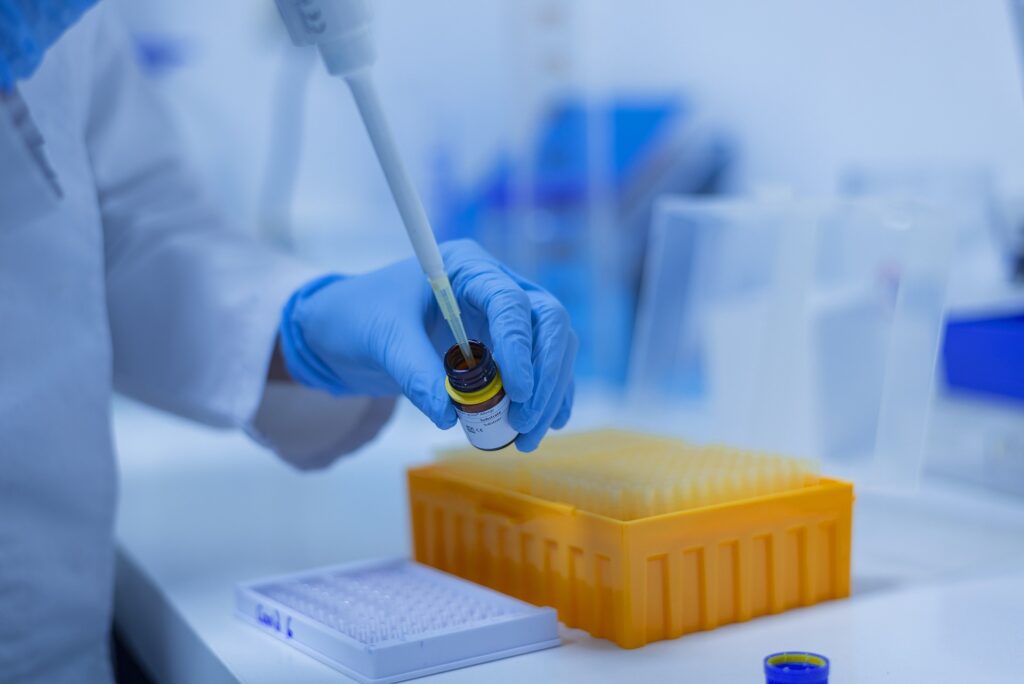
Researchers at the Gulliver laboratory (CNRS / ESPCI) have developed an experimental platform for the directed evolution of enzymes.
Kévin Ricard, a research engineer at the Gulliver laboratory, tells us about this state-of-the-art facility.
What are the objectives of this Gulliver Laboratory platform?
Firstly, it is necessary to define “directed evolution”: this involves modifying a protein or enzyme using multidisciplinary techniques to improve one of its characteristics, such as its stability or function.
The platform’s objective is to offer a protein engineering support service for the directed evolution of enzymes, from the design of libraries through to the isolation and sequencing of mutants (the modified enzymes), and the performance of activity assays.
How does this technical platform work?
The initial discussion phase is crucial. The aim is to gain a clear understanding of your needs and expectations. We then propose the most suitable solution. This is a key strength of this platform: our processes are highly adaptable to the specific projects we discuss.
Here are the services we offer:
- Creation of enzyme libraries by introducing targeted and controlled mutations using a unique protocol developed on the platform.
- Identification and isolation of mutants from a library, on plates, using PCR and high-throughput sequencing. Up to 10,000 unique variants.
- High-throughput enzyme activity testing. This can be carried out according to the enzyme’s function. Up to 1,000 variants simultaneously.
- High-throughput sequencing service using Nanopore technology (Flongle / Minion / Promethion)
Equipment currently in use:
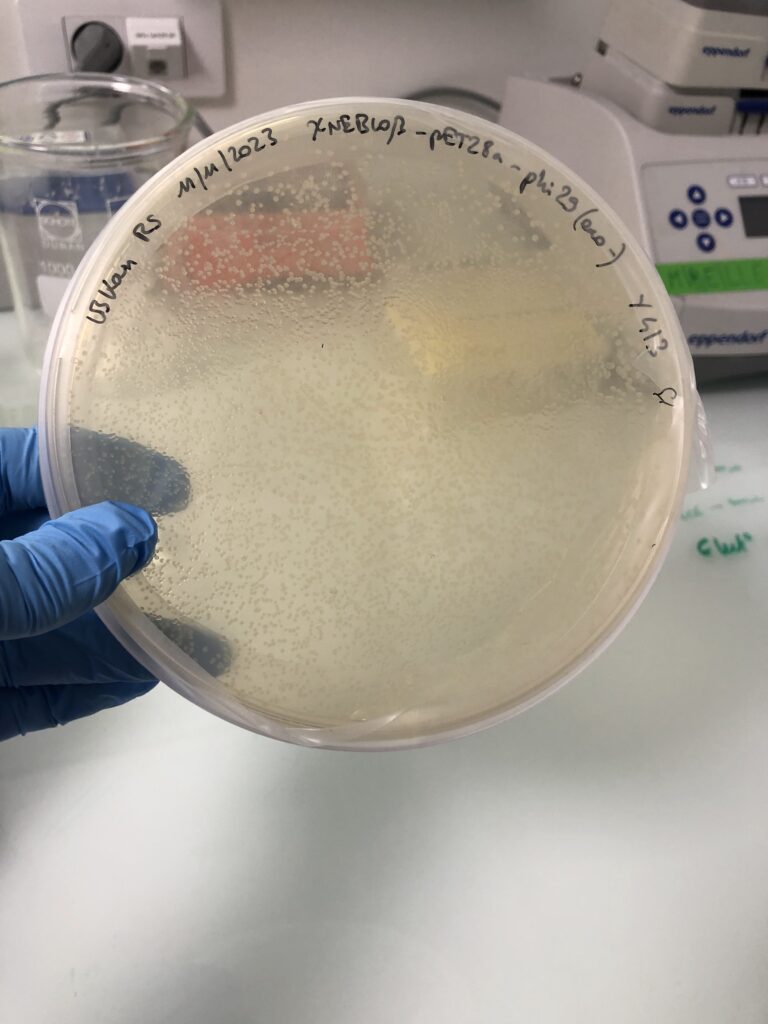
The Gulliver laboratory platform was designed for plate-based work. Gene libraries are created by modifying the enzyme gene in a single tube, generating up to 10 billion variants. These are then introduced into bacteria before being identified on plates using PCR and high-throughput sequencing.
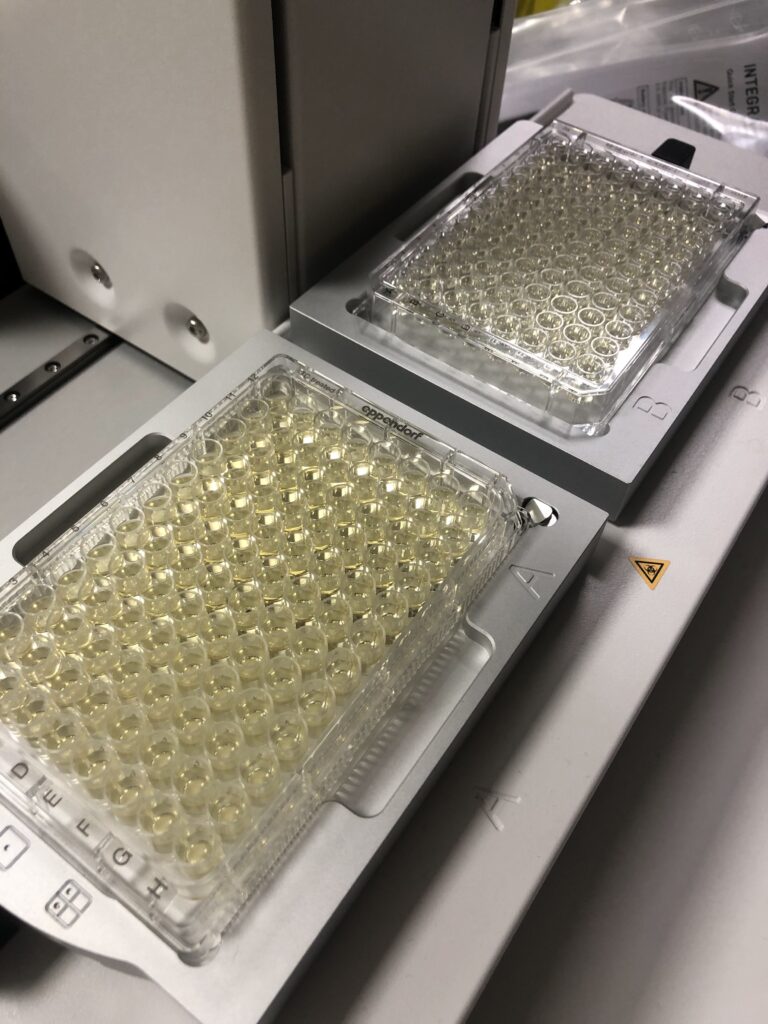
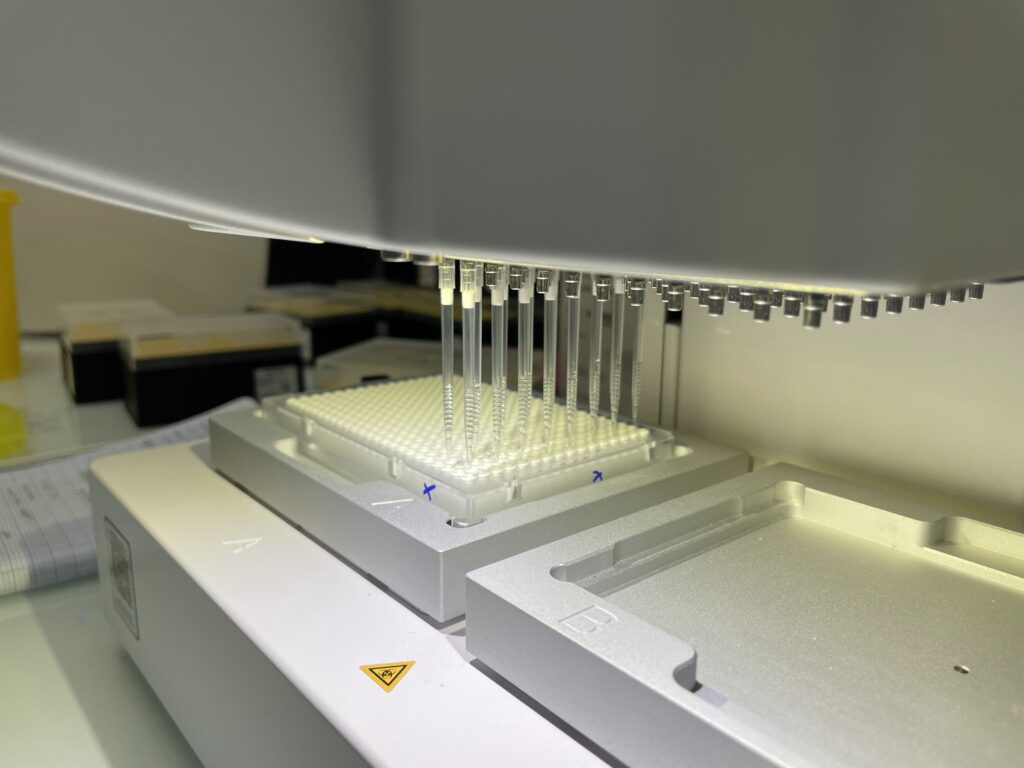
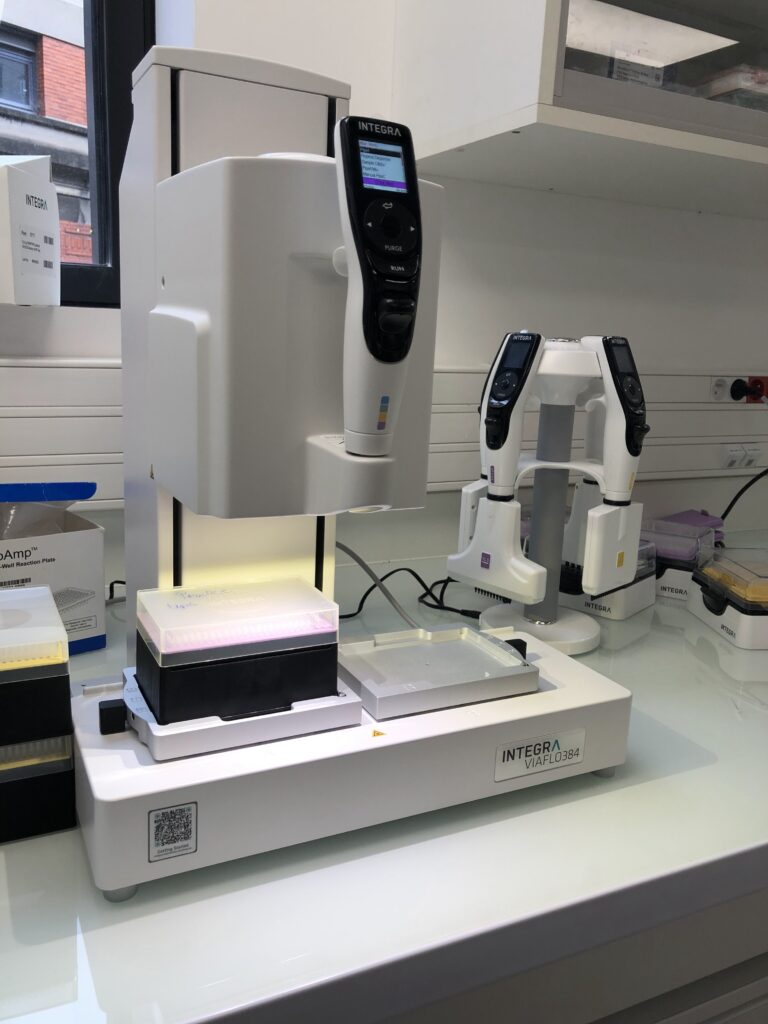
In conjunction with these machines, we have added dispensing or plate transfer robots such as the Opentron flex, the I-Dot and the Viaflo 96. This allows us to semi-automate the processes. Finally, we have a large high-throughput Nanopore sequencing capacity with 3 MinIONs and 2 PromethIONs.
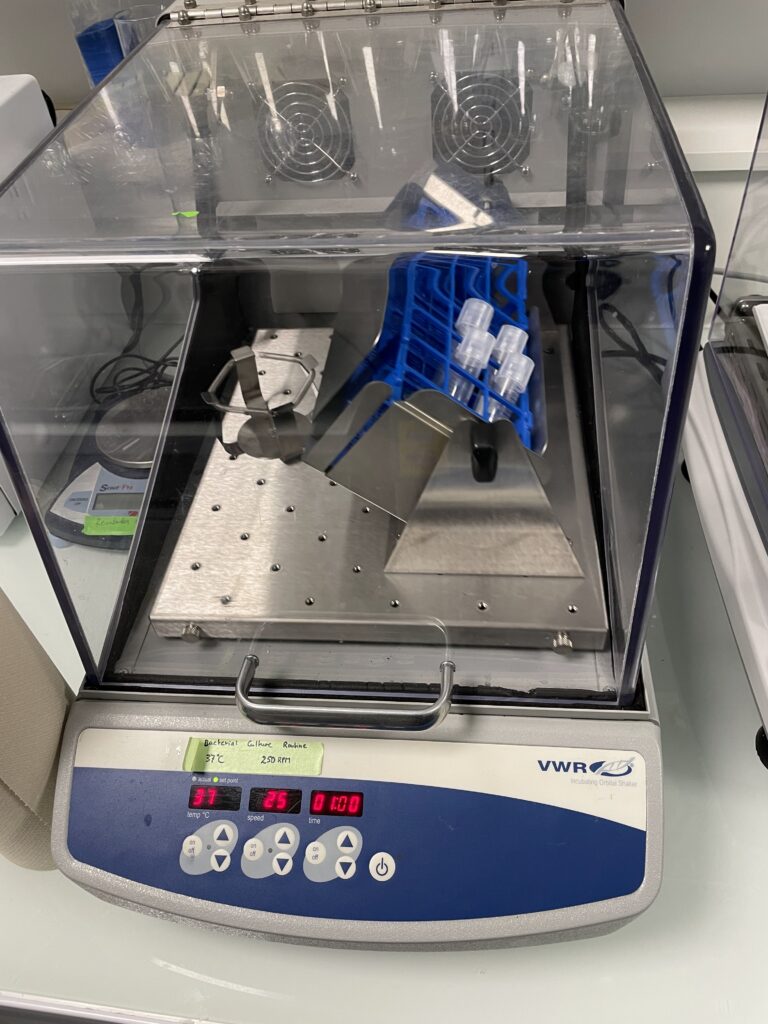
Some pictures of the technical platform
What was the timeline for the launch of this technical facility?
The platform was conceived in 2022 and launched in 2023. Since 2024, we have been open to collaborations and have already carried out projects with more than a dozen laboratories and companies. We are continuing to expand our capacity and diversify our services, particularly through ultra-high-throughput approaches.
What is the benefit of this platform for the PEPR?
The PEPR focuses on how to create new molecules and information technologies to accelerate the synthesis of various types of molecular media (particularly DNA), whilst optimising their encoding and decoding.
In this context, we are focusing on the enzymes that synthesise DNA, which is a universal carrier of life.
Imagine DNA as a language that would allow us to store digital information in a physical, stable and durable way. By controlling the enzyme that synthesises DNA, we could store any digital data!
The platform currently enables us to carry out directed evolution on certain DNA polymerases to make them faster and more adaptable in DNA synthesis, which is one of the hurdles the project must overcome.
What are the outlook for this technical facility?
For the time being, we are continuing our work on the PEPR whilst developing our open platform for research teams. The standardisation of processes is complete, and we are working to increase our capacity by implementing semi-automated processes.
We are open to collaborations and hope that by 2026 the fruits of our labour will be recognised with the first articles published by our collaborators and our platform.
We also wish to develop our offering of training in directed evolution techniques for the community.
In the longer term, we aim to establish the platform as a permanent fixture in the French research landscape to assist laboratories and companies that need to rapidly engineer enzymes/proteins but lack the in-house expertise
Plus de projets